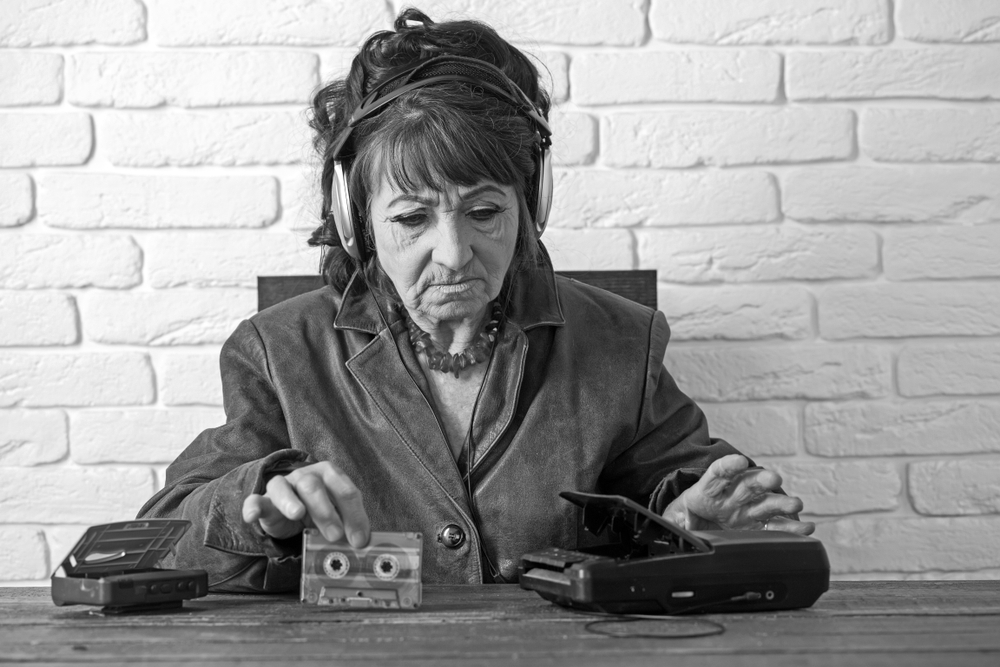
Memory & Music: The Connection
Memory & Music: The Connection
Why familiar songs can unlock memory, emotion, and connection in dementia care
Memory loss is one of the most challenging aspects of dementia — not only for the person living with it, but for those who love and care for them. Names fade, conversations become harder, and familiar routines can feel unfamiliar. Yet, for many families, music remains a powerful constant.
A song from the past can spark recognition, calm distress, or bring back words that seemed lost. This isn’t accidental. It’s rooted in the unique relationship between music and memory in the brain.
How music connects to memory
Music is processed across multiple brain regions, including those responsible for emotion, movement, language, and long-term memory. Unlike short-term memory, which is often affected early in dementia, musical and emotional memories are more widely distributed and can remain accessible for much longer.
Because of this, people living with dementia may struggle to recall recent events but still remember songs learned decades ago. Music is stored alongside emotion and repetition, making it more resilient to cognitive decline.
The power of familiarity
While music in general can be enjoyable, familiar music has the strongest effect. Songs connected to personal experiences — childhood, relationships, celebrations, or faith — are closely tied to autobiographical memory.
Research suggests that music from adolescence and early adulthood (roughly ages 10–30) carries a particularly strong emotional imprint. Hearing these songs later in life can help someone reconnect with a sense of identity, even as other memories become harder to access.
This is why personalised music choices matter more than genre. It’s not about playing “calm music” — it’s about playing their music.
Music, emotion, and wellbeing
Memory isn’t the only benefit. Familiar music can support emotional wellbeing, helping to create a sense of safety and predictability. Many caregivers observe that music may help reduce agitation, anxiety, or restlessness, while also encouraging engagement and shared moments.
Music doesn’t treat dementia — but it can meaningfully support quality of life, both for the person listening and for those caring for them.
Watch: Music and memory in action
To see this connection firsthand, this short video beautifully illustrates how familiar music can reach people living with dementia:
This video is widely used in education and caregiving settings and helps bring the science and emotion together in a very human way.
Try this today: a simple music moment
Choose 5–10 songs connected to positive memories
Play them at a gentle volume during a calm moment
Observe responses — singing, tapping, relaxing, or quiet listening all count
There’s no right outcome. The moment itself matters.
Final thought
Dementia changes how memory works, but it doesn’t erase the emotional power of music. Familiar songs can help preserve connection, dignity, and shared humanity — one moment at a time.
